November 18, 2025·3 min read
How Often Should Shade Trees Be Trimmed in Mansfield
Clear pruning intervals for young and mature trees in Mansfield. See timing by species, storm and clearance cycles, and the signs it is time to call a pro.
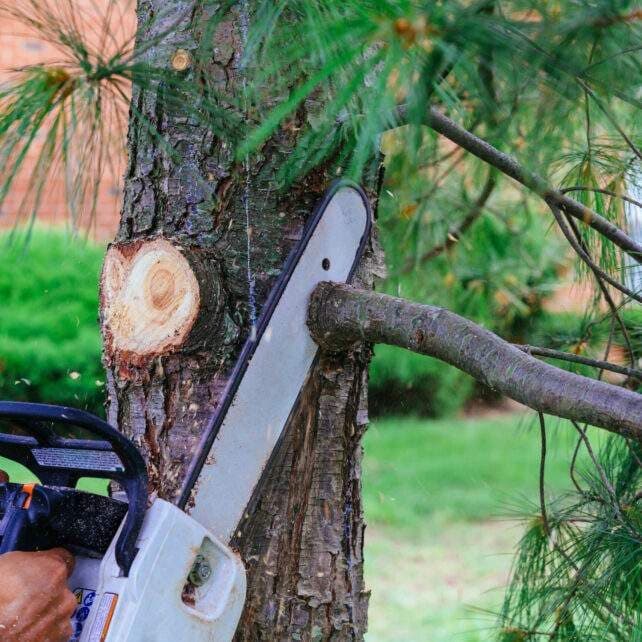
Tree trimming is not one size fits all. The right interval depends on age, species, exposure, and how close the canopy is to roofs, streets, and power lines. Use these Mansfield specific guidelines to plan a safe, healthy pruning cycle.
Quick intervals at a glance
- Young shade trees: light structural trims every 1 to 3 years
- Mature shade trees: health and clearance trims every 3 to 5 years
- Street and driveway clearance trees: touch ups every 2 to 4 years
- High exposure or storm stressed trees: inspect annually , prune as needed
Why intervals differ
Young trees need small, frequent cuts to set a single leader and well spaced scaffold branches. Mature trees benefit from less frequent but purposeful work that reduces end weight on long limbs, removes deadwood, and maintains clearance. Sites that see wind funnels, heavy snow loads, or salt exposure along roads may need shorter cycles because defects develop faster and targets are closer.
Best seasons in Massachusetts
Dormant season is the safest default for most shade trees. Late fall through winter offers good visibility in the crown and firm ground for access. Oaks prefer winter pruning to reduce disease risk. Maples and birches can bleed in late winter, so light summer thinning is often chosen for those if sap flow is a concern. Spring bloomers on old wood should be trimmed right after flowering, while species that flower on new wood can be pruned in late winter. Avoid heavy live cuts during peak leaf flush and during late summer drought.
What a trim should include
A standards based visit removes dead, diseased, and rubbing branches, reduces end weight on overextended limbs with proper reduction cuts, and improves airflow without over thinning. Clearance is set over roofs, walks, and driveways, and any co dominant stems on younger trees are subordinated to build a stable structure. The work should follow ANSI A300 pruning practices with clean collar cuts and conservative live foliage removal.
Signs it is time now
If you see repeated small dead twigs dropping after wind, limbs that sag closer to the roof each year, rubbing branches that have worn a groove, mushrooms or cavities along major unions, or constant gutter scraping, you are overdue for an inspection. After nor’easters or wet snow events, look for cracked attachments and hangers that did not fall.
Clearance near homes and streets
Plan enough space so branches do not touch the house in a breeze, so trucks and delivery vans clear your driveway, and so pedestrians and snow equipment move safely along the street. In most yards this means a couple of additional feet beyond the point where limbs currently rub, which buys you time before the next trim.
How pruning lengthens the cycle
Well timed reduction cuts on the longest levers reduce break risk and slow how quickly a canopy crowds a roof or street again. Small training cuts on young trees build permanent structure so you do not need large corrective cuts later. Both moves save money over the life of the tree.
Mansfield storm reality
Wind and wet snow test weak points. A brief preventive trim before storm season often costs less than emergency cleanup after a failure. If your trees tower over a garage, deck, or play area, an annual check is smart even if you only cut every few years.
Plan on 1 to 3 years for young tree training and 3 to 5 years for mature shade tree trims, with quicker touch ups for street clearance and after major storms. Time the work to dormancy for most species, trim spring bloomers right after they flower, and use summer only for light adjustments or for heavy bleeders. If you are seeing deadwood, roof rubs, or long limbs over targets, schedule an inspection now and set a pruning plan that fits your property rather than the calendar.
Need a hand with this?
Call for a free, no-obligation quote from Mansfield Tree Service Pros.
Frequently Asked Questions
Most mature trees do better on a 3 to 5 year cycle. Annual cutting risks over thinning unless a specific issue requires it.
For established trees, keep live foliage removal modest. Focus on deadwood, conflict branches, and targeted reductions rather than large percentage cuts.
Pruning can reduce end weight and risk, but a pronounced lean or a weak union may also call for cabling or, in some cases, removal.
Light summer work is fine for clearance or for species that bleed in late winter. Save big structural changes for the dormant season.
Keep Reading
Ready to take care of your trees?
Call today for a free quote, or send us your project details and we'll get right back to you.