November 25, 2025·3 min read
Five Early Warning Signs a Tree Is Unsafe Even If Leaves Look Fine
Healthy leaves can hide real hazards. Learn five early signs a tree is unsafe, what to check from the ground, and when to call a professional in Mansfield.
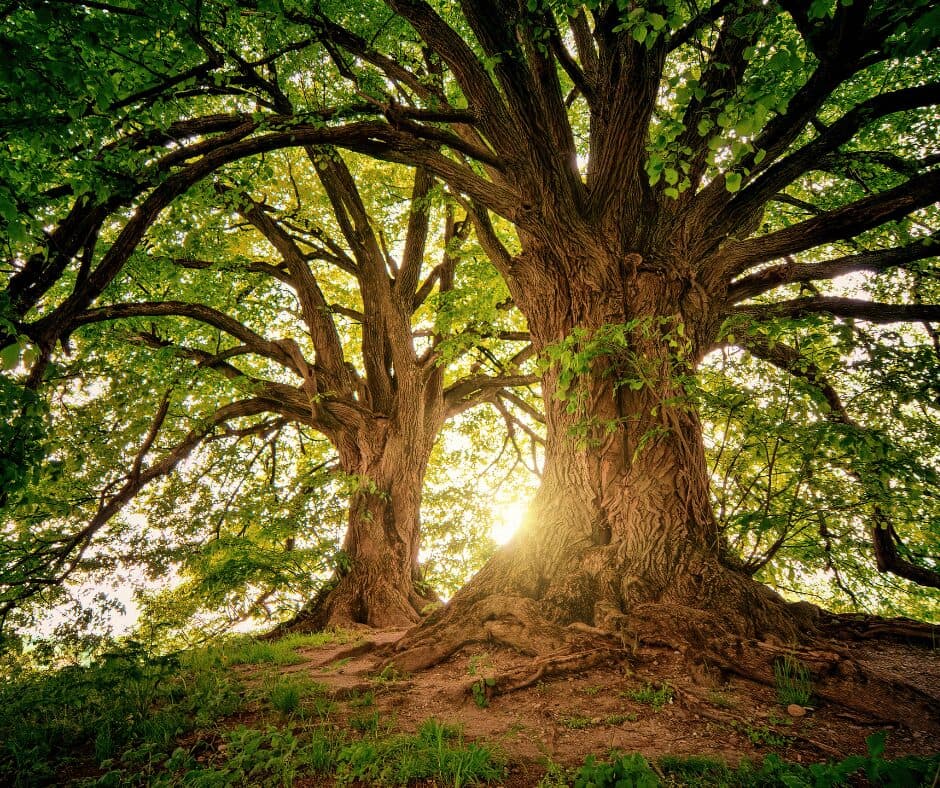
Leaves can look great while hidden problems develop in the trunk, roots, or major limbs. Here are the five early signs a tree is unsafe, how to spot them from the ground, and what to do next before wind or wet snow turns a small defect into costly damage.
1) Cracks, seams, or fresh splits in the trunk or major limbs
Look for long vertical cracks, lightning bolt seams, fresh pale wood, or bark that is lifting. Stand to the side and sight along the trunk in good light. Even a short split near a crotch can signal a weak attachment that may fail under load. If you see a crack you can fit a coin into, call a pro for an assessment.
2) Co-dominant stems with included bark
Two trunks of similar size that meet in a tight V often trap bark between them. This prevents strong wood from forming across the union. You may see a raised seam where the trunks meet, or a wedge of debris stuck in the crotch. These unions split suddenly in wind. Early subordination pruning or cabling can reduce risk if the tree is otherwise worth keeping.
3) Mushrooms, conks, or cavities at the base or on major limbs
Fruiting bodies on the trunk, soft spots, or visible hollows point to internal decay. Use a flashlight to check around the root flare. Tap gently with a screwdriver handle and listen for a hollow sound. A tree can hold green leaves with significant internal decay, which is why visible fungi and cavities deserve attention right away.
4) Root plate issues and soil movement
Watch for soil that heaves or sinks near the base, exposed roots that are lifting, or a trench-like gap on the side opposite a lean. After wind, look for freshly cracked soil around the root plate. Underground movement is a red flag even when the crown looks full and green.
5) Deadwood and hangers hiding in the canopy
Scan the crown for branches with no leaves, clusters of small dead twigs, or broken hangers lodged in the canopy. Stand back and look for color differences or birds perching on bare tips. Deadwood often drops during the next wind event. A few targeted removals now cost less than an emergency call later.
What to do if you spot one of these
- Photograph the defect from two or three angles and note what the tree is over or near.
- Keep people and vehicles clear until a professional checks the site.
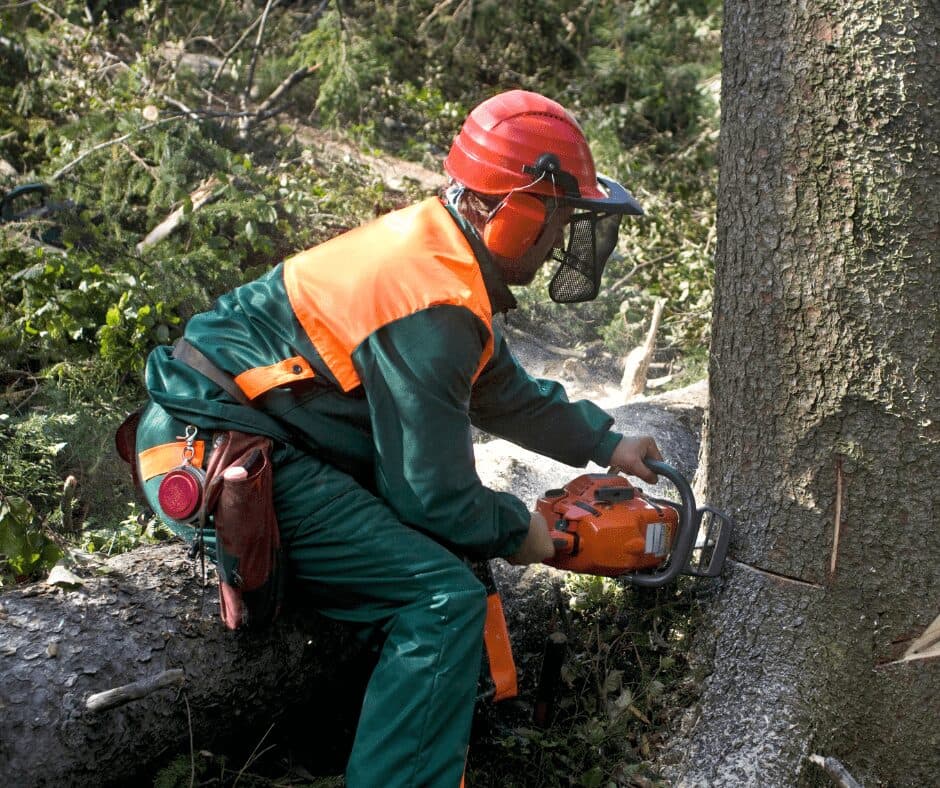
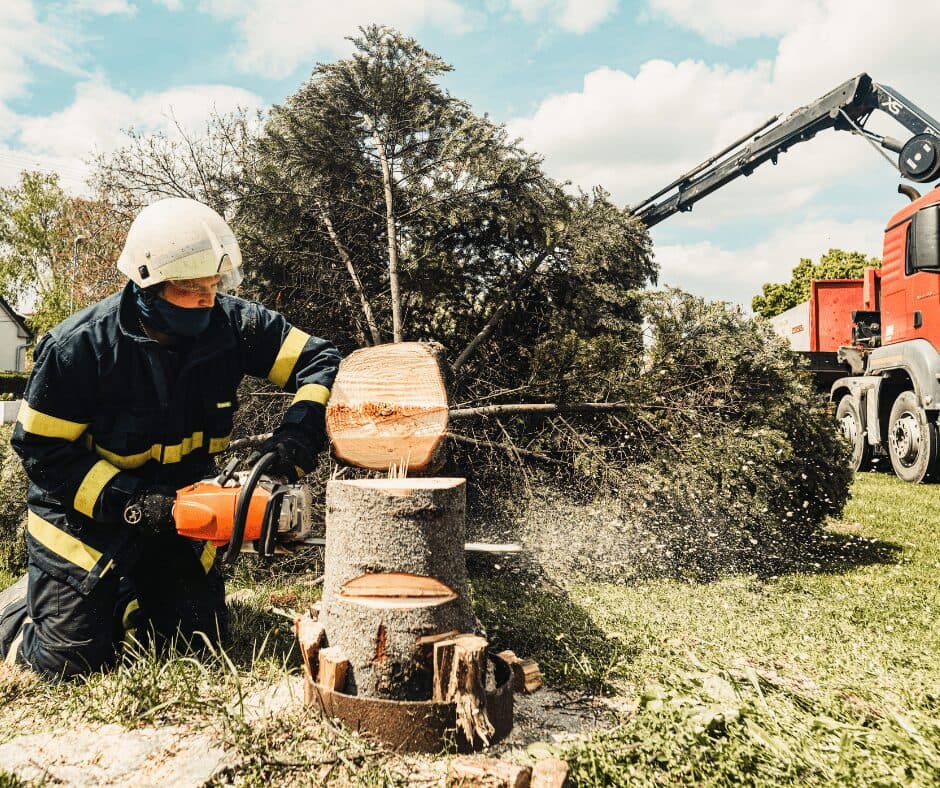
- Schedule an inspection with a trained crew. Ask for a written plan that might include reduction cuts, deadwood removal, cabling, or removal if the defect is severe.
- If heavy weather is coming and you have a known defect over a target, request a priority visit.
Mansfield timing tips
Dormant season is best for structural pruning on most shade trees. Oaks prefer winter work. Maples and birches can be trimmed lightly in summer if sap bleed is a concern. After nor’easters or wet snow, do a quick yard walk to check for new cracks, lean changes, and fresh soil movement at the base.
A full canopy can hide serious problems. If you see cracks, tight V unions, fungi or cavities, root plate movement, or hangers in the crown, act before the next storm. A short inspection and targeted pruning usually cost less than emergency cleanup and repairs. If you want a quick risk check in Mansfield, share a few photos of the base, the main unions, and the nearest targets, and we will outline next steps with clear options and pricing.
Need a hand with this?
Call for a free, no-obligation quote from Mansfield Tree Service Pros.
Ready to take care of your trees?
Call today for a free quote, or send us your project details and we'll get right back to you.